
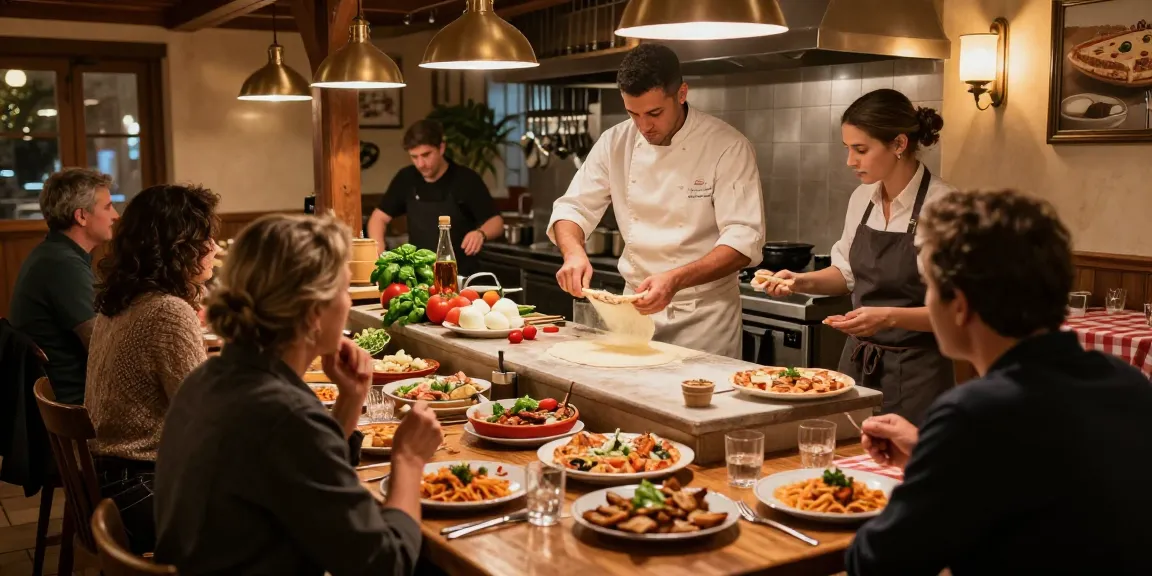
Understanding Italian Cuisine and Its Rich Heritage
Italian cuisine is celebrated around the globe for its delectable flavors, fresh ingredients, and rich cultural heritage. Steeped in history and tradition, it offers not just food, but a deep connection to the land from which it originates. As we delve into the various aspects of Italian culinary art, we will discover what sets it apart and how establishments like pg soft bring authentic Italian experiences to life. From antipasti to dessert, each dish tells a story of its region and history.
What Defines Authentic Italian Cooking?
At the heart of authentic Italian cooking lies a philosophy centered around simplicity and quality. Traditional dishes are characterized by a few high-quality ingredients harmoniously combined to create memorable flavors. Authentic Italian cooking emphasizes seasonality; the freshest ingredients are used, reflecting what’s available at various times of the year. This approach not only enhances the taste but also respects Italian agricultural heritage. Moreover, family recipes handed down through generations add depth to each meal, making it a personal experience.
Key Ingredients and Techniques in Italian Dishes
Italian cuisine is fundamentally about the ingredients it uses. Staples include olive oil, tomatoes, garlic, fresh herbs, and a variety of grains and cheeses. The culinary techniques often include simmering, braising, and baking. For example, the method of slow-cooking sauces like Marinara allows flavors to meld beautifully, creating a rich base for pasta dishes. Additionally, techniques such as making fresh pasta from scratch are hallmarks of Italian cooking, offering a texture and taste that’s hard to replicate with dried varieties.
Regional Varieties and Specialties Across Italy
Italy is a mosaic of culinary traditions, each region contributing its unique ingredients and cooking styles. For instance, Northern Italian cuisine is known for its hearty dishes featuring rice and polenta, while Southern Italy emphasizes fresh vegetables and seafood. Cities like Bologna are famous for their ragu sauces, and Naples proudly boasts its wood-fired pizzas. Understanding these regional specialties allows diners to appreciate the diversity within Italian cuisine and explore flavors they may not be familiar with.
The Art of Crafting the Perfect Pizza
Pizza is often the first dish that comes to mind when thinking of Italian food, and mastering the art of pizza-making is a journey worth taking. Crafting the perfect pizza involves understanding the balance of crust, sauce, cheese, and toppings, each contributing to the pizza’s overall character.
Choosing the Right Dough and Toppings
The foundation of any great pizza is its dough. Authentic Neapolitan pizza dough is made with just four ingredients: flour, water, salt, and yeast. The dough is left to rise slowly, which develops flavor and texture. When it comes to toppings, the key lies in quality. Fresh mozzarella, ripe tomatoes, and aromatic basil are classic choices, but contemporary pizza chefs also experiment with gourmet ingredients to delight diners.
Common Mistakes When Making Pizza at Home
For aspiring home cooks, making pizza can be exhilarating yet challenging. Common mistakes include using cold ingredients, which can affect how the dough rises, or overcrowding the pizza with toppings, leading to a soggy crust. Another frequent pitfall is not preheating the oven sufficiently, as pizza requires high heat to achieve that perfect crust.
How to Pair Pizza with the Perfect Beverage
Pairing beverages with pizza can elevate the dining experience. While traditional pairings often include red wine, such as Chianti, many are now embracing craft beers and even cocktails that complement the flavors of the pizza. For instance, IPAs can cut through rich cheeses, while a crisp white wine can enhance lighter toppings like vegetables and seafood.
Exploring Antipasti: The Ideal Start to Your Meal
Antipasti serves as the first course of a traditional Italian meal, and it’s designed to awaken the palate before the main event. A well-prepared antipasti platter can set the tone for the entire dining experience.
Traditional Antipasti Ingredients and Presentation
Typical ingredients for an antipasti platter may include cured meats, cheeses, marinated vegetables, and olives. The beauty of antipasti lies not just in the flavors but also in the presentation. Colorful arrangements on wooden boards or elegant platters make for a visually appealing appetizer, enticing guests and stimulating their appetite.
Creating a Balanced Antipasti Platter
When creating an antipasti platter, balance is key. Include a variety of textures and flavors to satisfy diverse tastes. For instance, combining creamy cheeses with tangy pickled vegetables and savory meats can create an exciting array of tastes. Including fresh bread or crackers allows diners to savor the flavors at their own pace.
Wine Pairings to Complement Your Antipasti
Choosing the right wine to accompany antipasti can enhance the experience. Light, crisp wines such as Pinot Grigio or Prosecco work well, as they complement rather than overpower the flavors of the starter. When pairing wines, consider the dominant flavors of the antipasti to create harmonious combinations.
Enhancing Your Dining Experience at Pizzeria Madera
Pizzeria Madera goes beyond serving delightful dishes; it aims to provide an exceptional dining experience that captures the essence of Italy. Their commitment to quality and authenticity shines through in every aspect of the meal.
Seasonal Menus and Daily Specials
At Pizzeria Madera, the menu is refreshed frequently, featuring seasonal ingredients that reflect the best of Italian cuisine. Daily specials give diners a taste of creativity and variation, ensuring that each visit offers something new and exciting.
Understanding Italian Dining Etiquette
Dining Italian-style is more than just the food; it’s an experience rooted in tradition. Understanding the etiquette — such as taking time to savor each course and enjoying meals with loved ones — can enhance your experience. Italians often view meals as communal gatherings, which adds a layer of warmth to the dining atmosphere.
How to Make the Most of Your Visit
To maximize your experience at Pizzeria Madera, consider arriving hungry and curious. Engage with the staff about the menu options and don’t hesitate to ask for recommendations. Likewise, be open to trying new dishes and pairings that you might not typically choose; this is an opportunity to explore the vast landscape of Italian cuisine.
Future Trends in Italian Cuisine for 2026 and Beyond
As we look towards the future, Italian cuisine continues to evolve while staying true to its core traditions. With an ever-changing culinary landscape, several key trends are emerging that will shape the dining experience.
Emerging Ingredients and Cooking Styles
Innovative ingredients such as plant-based alternatives and gluten-free options are gaining popularity, appealing to health-conscious diners without sacrificing flavor. Moreover, cooking styles are becoming more eclectic, with influences from global cuisines seamlessly integrating into traditional Italian dishes.
The Impact of Technology on Restaurant Dining
Technology is making its mark on dining experiences. From online reservations to digital menus, restaurants are leveraging tech to streamline the guest experience. Additionally, social media plays a pivotal role in influencing food trends and customer engagement, allowing establishments to showcase their culinary offerings to a broader audience.
Health Trends and Their Influence on Traditional Recipes
Health-conscious eating continues to shape menus across Italy and beyond. Traditional recipes are being reimagined to incorporate healthier ingredients or preparation methods, ensuring they align with modern dietary preferences while still delivering the comfort and authenticity that Italian cuisine is known for.
What are the must-try dishes at Pizzeria Madera?
At Pizzeria Madera, must-try dishes include their classic Margherita pizza, rich lasagna, and decadent tiramisu. Each dish showcases the authenticity and passion that defines Italian cooking.
How can I pair drinks with my meal effectively?
Pairing drinks with your meal can enhance flavors; consider the dish’s main ingredients and choose wines or beers that complement them for the best dining experience.
What makes Italian cuisine different from other culinary traditions?
Italian cuisine emphasizes quality ingredients and traditional cooking techniques, focusing on simplicity while allowing the inherent flavors of each ingredient to shine through.
Are there vegetarian options available at Pizzeria Madera?
Yes, Pizzeria Madera offers a variety of vegetarian dishes, including pizzas, pastas, and salads, ensuring options for all dietary preferences.
How often does the menu change at Italian restaurants?
Many Italian restaurants change their menus seasonally to highlight fresh ingredients, ensuring that diners can enjoy the best flavors throughout the year.